
The Ultimate Guide to Backpacking & Hiking Gear for Beginners
Backpacking isn’t just hiking—it’s carrying everything you need to live, move, and survive with nothing but the pack on your back. Every ounce matters. Every decision echoes for miles. Whether you’re trekking the Appalachian Trail, exploring mountain passes in the Rockies, or moving through Southeast Asia with one bag, the lessons are the same: stay light, stay smart, and respect the miles ahead.
Why You Should Trust Me
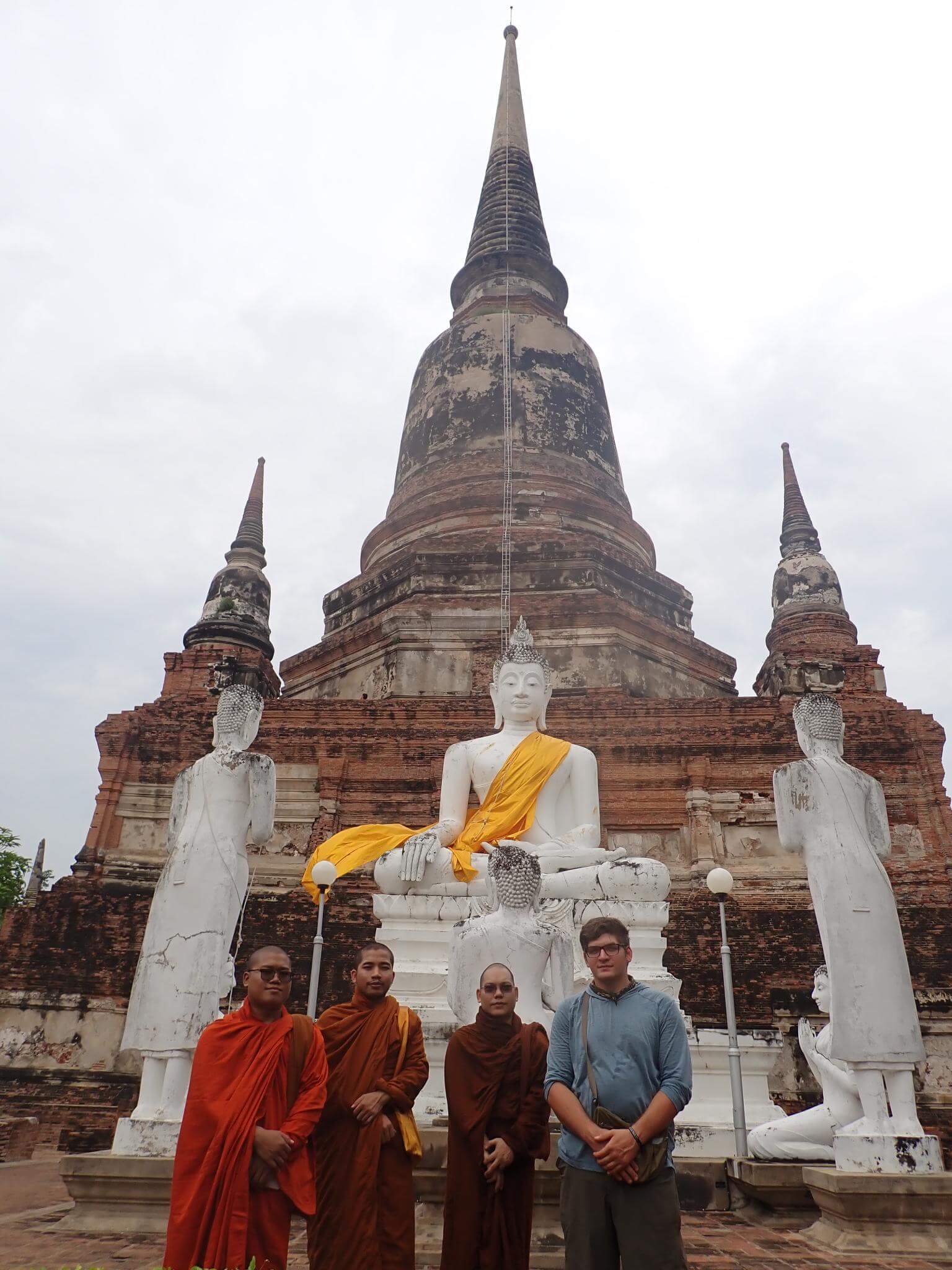
I’ve spent years living out of a pack—across the U.S., East Asia, and Southeast Asia. From the Appalachian ridgelines to the backroads of Ayutthaya in Thailand, I’ve tested everything from ultralight tents to hostel-friendly carry-ons. I’ve weathered typhoons in Japan, crossed mountain passes in freezing rain, and gone through more broken zippers than I care to admit. Before Marine Approved, I served under Joint Special Operations Command—where gear failure wasn’t just an inconvenience. That experience shaped how I test and trust equipment: if it doesn’t hold up in the field, it doesn’t make my list.
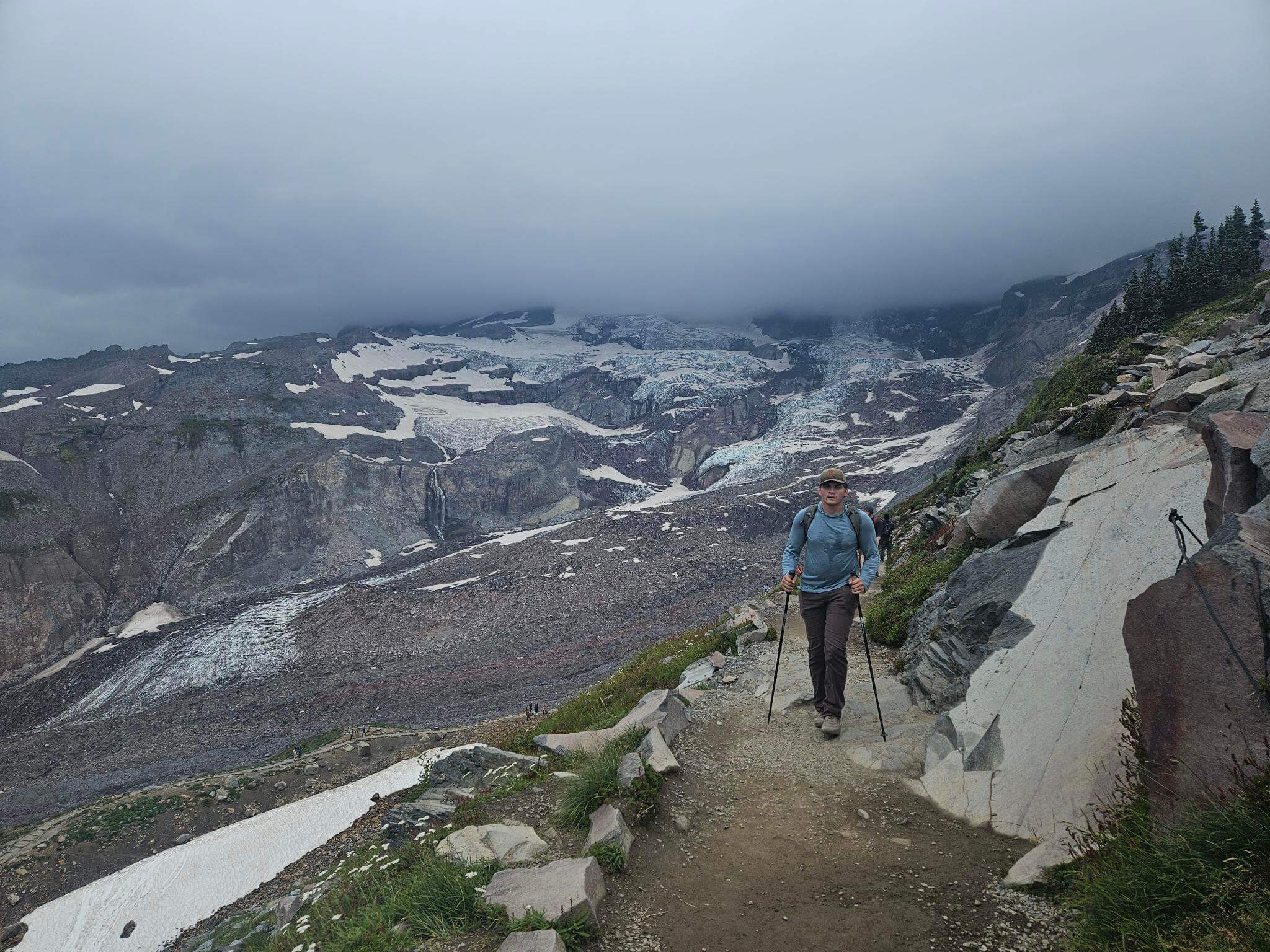
What Is Backpacking?
Backpacking is self-supported travel by foot. It’s the bridge between hiking and survival—long enough to demand planning, light enough to require discipline. You bring what you need: shelter, food, and safety. You leave behind everything you don’t. The line between comfort and burden is measured in ounces and experience.
There’s no right way to backpack. Some chase solitude on wilderness trails. Others string together hostels, buses, and side streets through foreign cities. But all backpackers share one thing: a respect for minimalism and the freedom that comes from carrying your world on your shoulders.
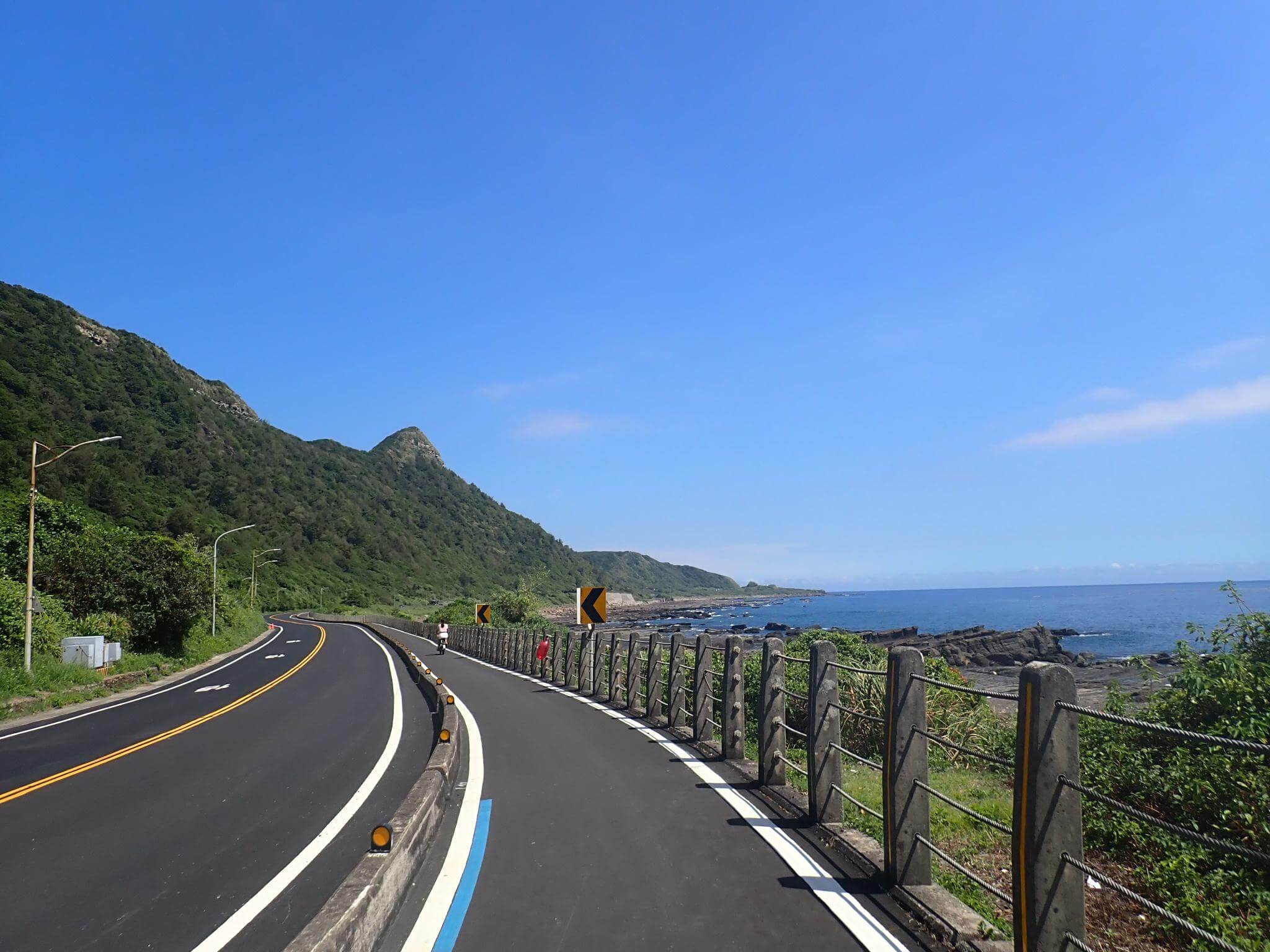
The 10 Essentials of Backpacking
The “10 Essentials” are the foundation of every safe trip—whether you’re hiking for the day or crossing state lines on foot. Learn these, pack them, and check them twice:
- Navigation: Map, compass, GPS, or navigation app (Gaia, AllTrails, or FarOut).
- Headlamp: With extra batteries—never rely on your phone light.
- Sun Protection: Sunscreen, hat, and UV-blocking clothing.
- First Aid: Include moleskin, painkillers, tape, and blister pads.
- Knife / Multi-tool: Small, sharp, and always accessible.
- Fire: Lighter, matches, and backup tinder in a dry bag.
- Shelter: Tent, tarp, or bivy—even on day hikes.
- Extra Food: One full day’s worth beyond plan.
- Extra Water: Plus purification tablets or a filter.
- Clothing: Layered and weather-appropriate—avoid cotton.
Choosing the Right Backpacking Bag
Your backpack is your home base—it carries everything, protects it from the elements, and sits on your body for days at a time. Choose wrong, and every step becomes punishment.
| Pack Type | Best For | Capacity |
|---|---|---|
| Daypack | Short hikes or summit pushes. | 20–35L |
| Weekend Backpack | 1–3 nights, compact loads. | 35–50L |
| Extended Trip Pack | 4–7 nights or gear-heavy trips. | 55–70L |
| Backcountry / Expedition Pack | Winter expeditions or mountaineering. | 70L+ |
For most people, a 40–55L backpack hits the sweet spot—large enough for a multi-day trip, small enough to force smart packing. Look for load lifters, a padded hip belt, and breathable back panel. A backcountry backpack 30L works well for ultralight setups or single-night hikes.
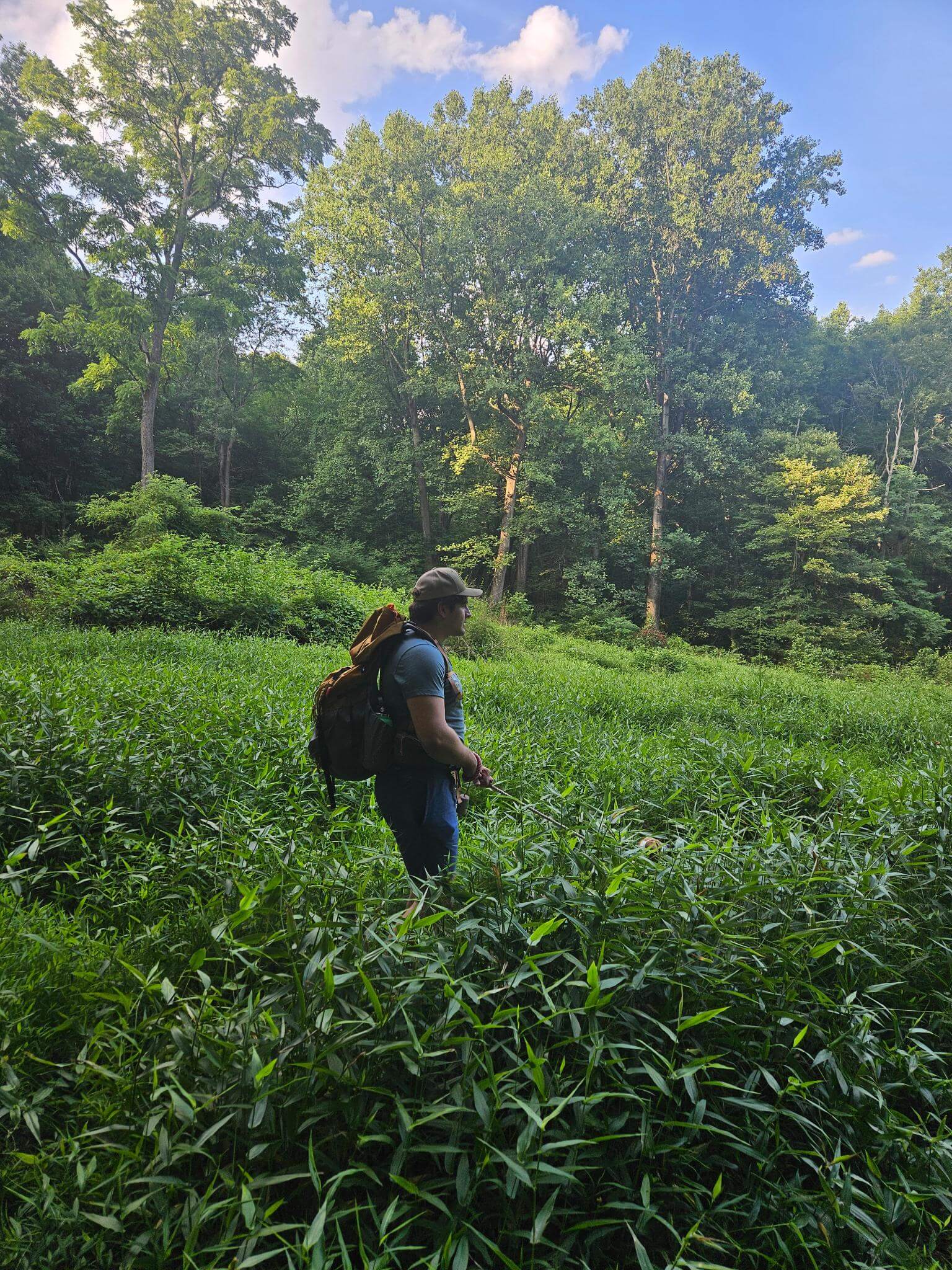
Essential Backpacking Gear Categories
1. Shelter: Your Home Away from Home
Your tent or tarp system is what stands between you and a long, cold night. Choose based on environment and expected weather—not marketing weight claims. For beginners, a freestanding double-wall tent balances ease and protection. As you gain experience, experiment with trekking-pole shelters and tarps.
Pro Tip: Always practice pitching your tent before the trip. Nightfall, rain, and wind don’t care if you’re still reading the manual.
2. Sleep System
Comfort starts with warmth and insulation. A sleeping bag rated for 20°F covers most three-season conditions. Down packs smaller and warmer, but synthetics handle moisture better. Pair it with an insulated air pad and a lightweight liner for colder climates.
3. Cooking and Food
Backpacking stoves come in three camps: canister, liquid fuel, and alternative (alcohol, Esbit, wood). For most, canister stoves like the MSR PocketRocket or Jetboil Flash offer speed and simplicity. Bring lightweight cookware—a 750ml titanium pot, spork, and small fuel canister do the job. Freeze-dried meals keep things easy, but a little spice kit goes a long way.
4. Clothing and Layering System
Think of clothing as a mobile climate-control system. Skip cotton—it traps moisture. Use a base layer (synthetic or merino), a mid-layer (fleece or puffy), and a waterproof shell. For beginners, your beginner hiking clothes should focus on versatility and moisture management, not fashion.
- 3 Moisture-wicking shirts (long/short sleeve)
- 2 Pants or shorts (nylon or spandex blend)
- 1 Lightweight puffy or fleece
- 1 Rain shell or poncho
- 3–5 pairs of wool socks
Download offline maps with apps like Gaia GPS or AllTrails. Bring a compass and paper map as backups. A whistle, first aid kit, and backup fire starter weigh little but make a big difference. Always tell someone your route before you leave—communication is your most important piece of safety gear.
6. Lighting and Power
A headlamp beats a flashlight every time. Look for at least 200 lumens and simple AAA batteries. Rechargeable lanterns and small solar panels are great for longer trips, but always have a backup.
7. Tools, Repair, and Hygiene
A small knife or multi-tool, duct tape wrapped around a lighter, and a mini sewing kit can repair 90% of gear failures. For hygiene, use a trowel for waste, biodegradable soap, and a quick-dry towel. Wet wipes are comfort gold in the field.
Ultralight Backpacking Gear Explained
Ultralight doesn’t mean underprepared—it means intentional. The goal isn’t to hit a number; it’s to remove redundancy. Every ounce should justify its existence. Start by weighing your entire setup, then ask yourself, “Did I use this on my last trip?” If not, cut it.
Example Ultralight Backpacking Gear List (Base Weight ≈ 10–12 lbs):
- 35L ultralight pack (~1.5 lbs)
- Single-wall tent (~2 lbs)
- Down quilt (20°F)
- Inflatable sleeping pad
- Titanium pot + stove + fuel
- 2L water capacity + Sawyer Squeeze
- Minimal clothing system
Ultralight isn’t about buying expensive gear—it’s about experience teaching you what’s essential. Knowledge is the best way to shed weight.
Beginner Backpacking Gear Checklist (Downloadable)
If you’re new, start simple. This beginner hiking gear list covers what you actually need for your first trip. Download a printable Backpacking Checklist PDF or grab our Backpacking Gear List Spreadsheet to plan your kit.
- Backpack (40–55L)
- Tent + groundsheet
- Sleeping bag + pad
- Stove + cookware
- Water filter or purification tablets
- Navigation tools
- First aid kit
- Headlamp
- Extra food + water
- Layered clothing
Don’t overcomplicate your first trip—learn through experience. The trail will teach you faster than any blog ever could.
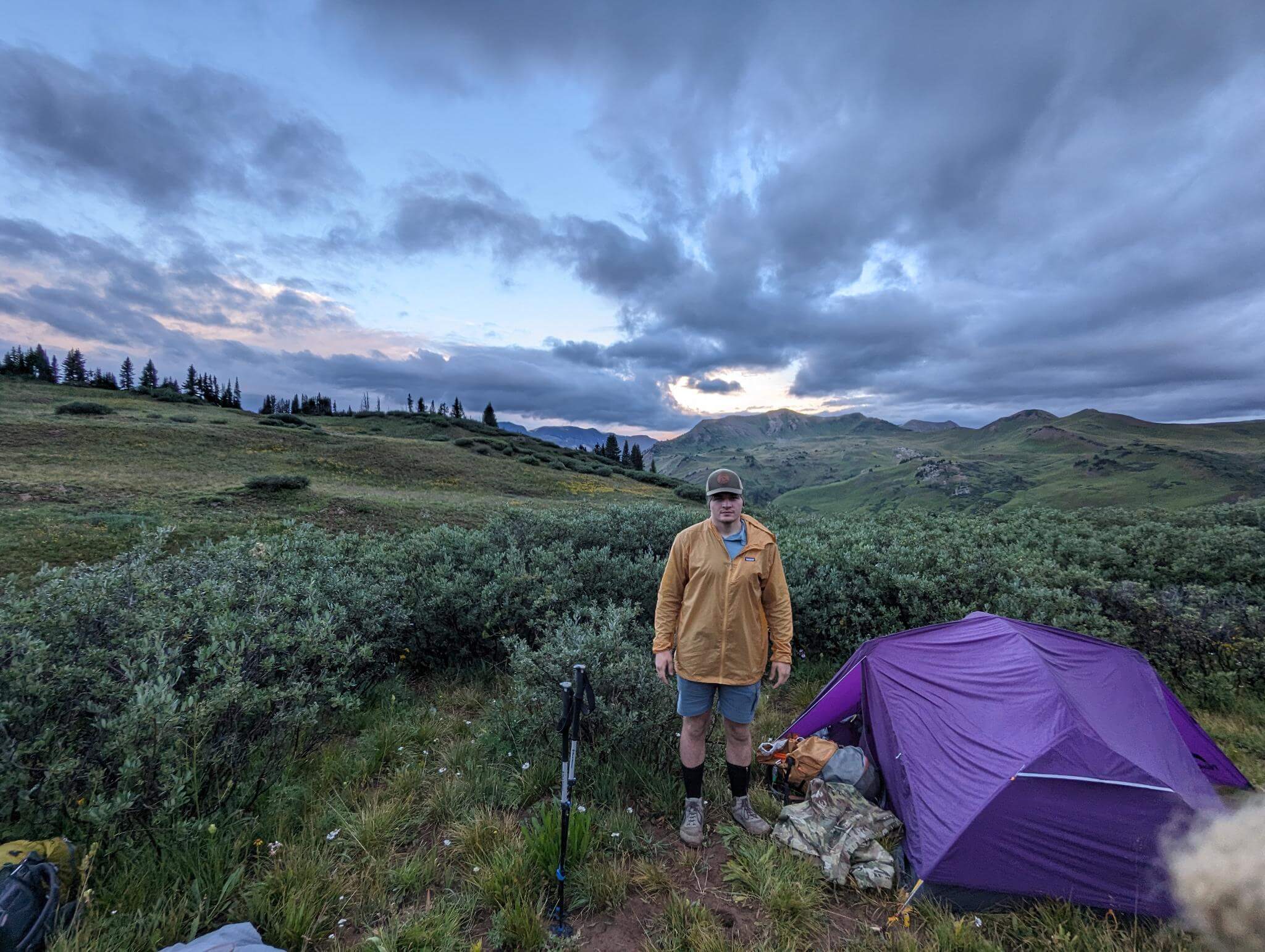
International Backpacking: Living Out of One Bag
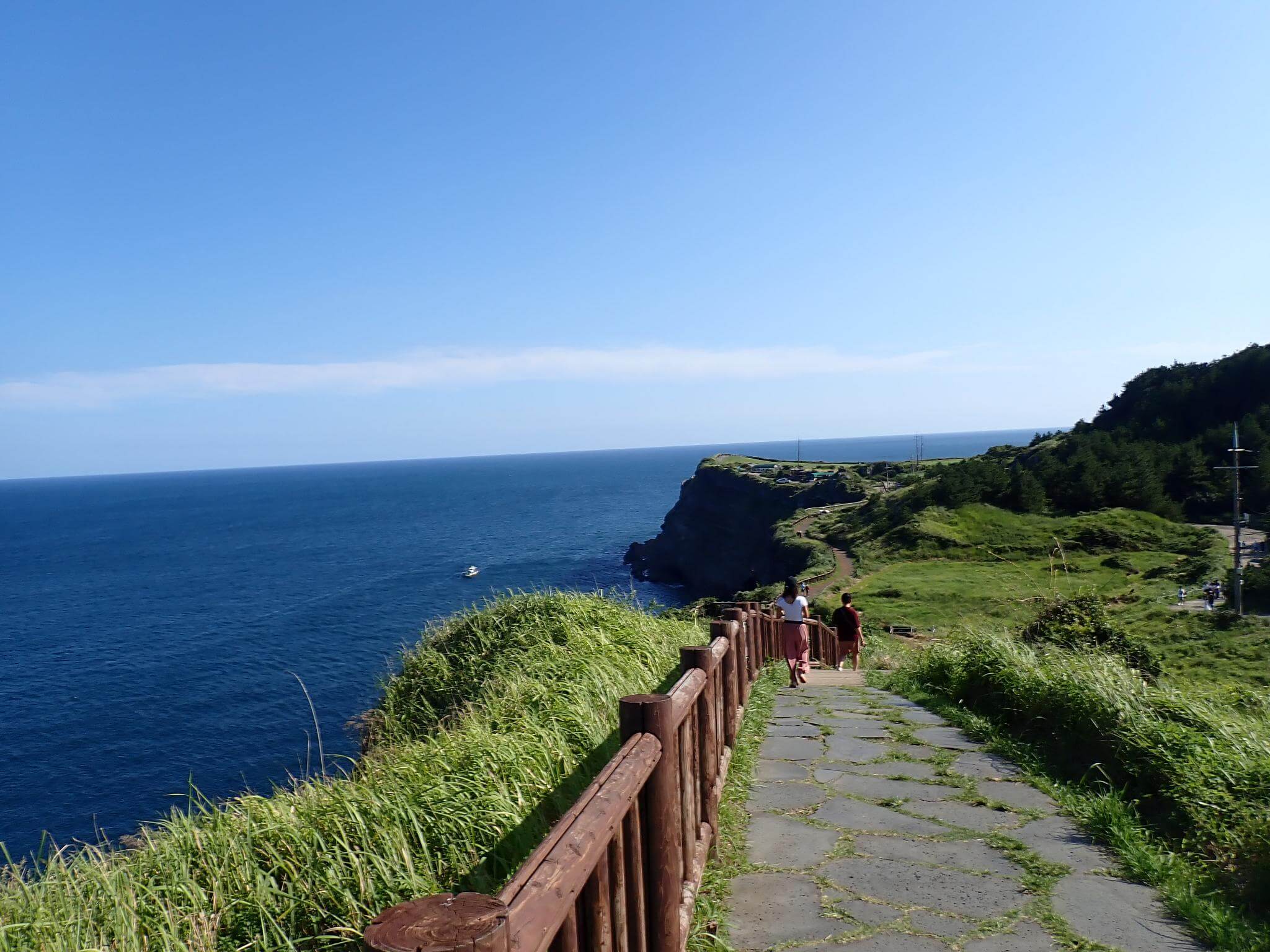
Backpacking internationally shares the same DNA as wilderness travel: independence, adaptability, and respect for the unknown. The difference is that your trail runs through airports, hostels, and city streets instead of forests and switchbacks. I’ve done it through Japan, Thailand, South Korea, Taiwan, Vietnam, Cambodia and more—and the lessons are the same: travel light, stay alert, and pack like you’re always moving.
1. The One-Bag Setup
For travel, 35–45L is the magic number. Look for clamshell openings, weather resistance, and clean design. You want something you can carry through the airport, strap to a bus roof, and hike with through a rice terrace. Hybrid travel packs like the Osprey Farpoint or Cotopaxi Allpa are built for this lifestyle.
2. Clothing System for Global Travel
Three shirts, two pants, one jacket, one pair of shoes, one backup. Wash often, dry fast, and choose performance fabrics. Merino wool doesn’t smell—even in tropical humidity—and lightweight synthetics dry overnight. Pack solid toiletries, a microfiber towel, and use cubes to stay organized.
3. Essentials & Tech
Universal adapter, small power bank, unlocked phone, and offline maps. A digital copy of your passport, insurance, and itinerary is worth its weight in gold. I learned this after losing a SIM card in Tokyo—backup everything.
4. The Backpacker’s Mindset
International backpacking isn’t about seeing the world—it’s about feeling it. You learn patience from train delays, resilience from missed ferries, and humility from language barriers. Whether it’s night markets in Bangkok or hostels in Taiwan, the goal is the same: live lighter and stay curious.
Backpacking Variations: Motorcycle, Ski & Backcountry
Backpacking extends beyond trails. Adventure riders, ski mountaineers, and winter trekkers use the same principles—balance, efficiency, and redundancy.
I remember one year I accidentally stumbled in Sturgis while I was exploring the Badlands in South Dakota. Some of those guys had less on their motorcycle than I had on my back.
- Motorcycle Backpacking: Keep weight low and centered. Use dry bags, pack tools, and secure straps. Prioritize compact gear and fuel efficiency.
- Ski / Snow Backpacking: Add avalanche gear, extra insulation, and a backcountry backpack airbag if traveling off-piste.
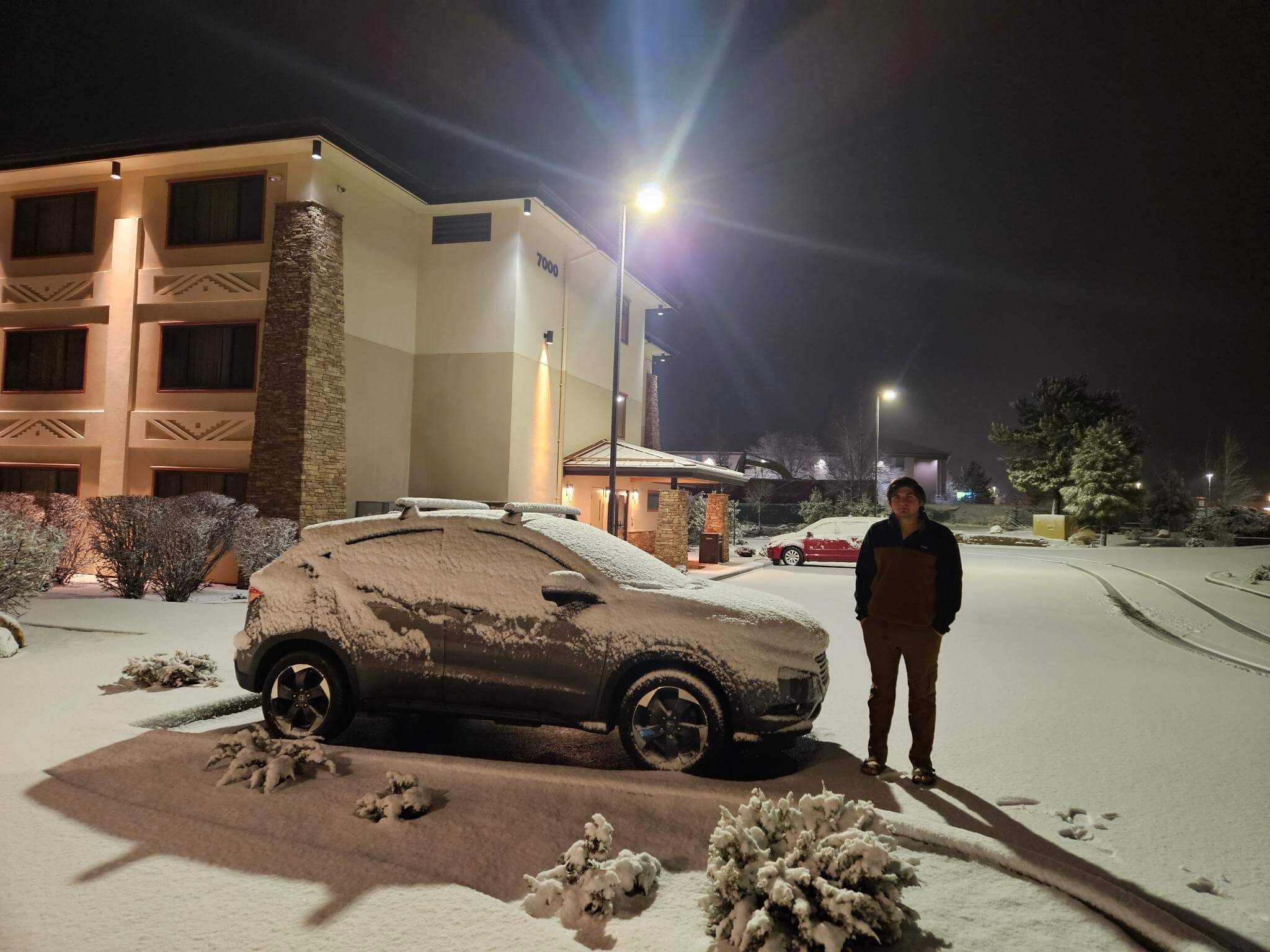
- Winter Expeditions: Double insulation, protect electronics, and sleep with your batteries to prevent freezing.
Our Testing Methodology
Every gear recommendation on Marine Approved is earned, not sponsored. We test gear the way it’s meant to be used—wet, cold, dirty, and tired. Each product goes through three stages:
- Field Use: At least three real trips, in variable weather.
- Durability: Assessing zippers, coatings, seams, and wear.
- Ease of Use: Setup, maintenance, and efficiency under stress.
If it can’t handle real conditions, we don’t recommend it. Simple as that.
Explore More Field Gear
Final Thoughts
Backpacking teaches you more than how to hike—it teaches you how to live with less, plan better, and adapt faster. Every mile strips away what doesn’t matter. The gear helps, but the growth happens in the discomfort—in the rain-soaked miles, the blisters, and the long climbs. That’s where confidence is built: one step at a time, somewhere far from signal, under a sky that doesn’t care who you are—only how much you’re willing to carry.
See you out there.
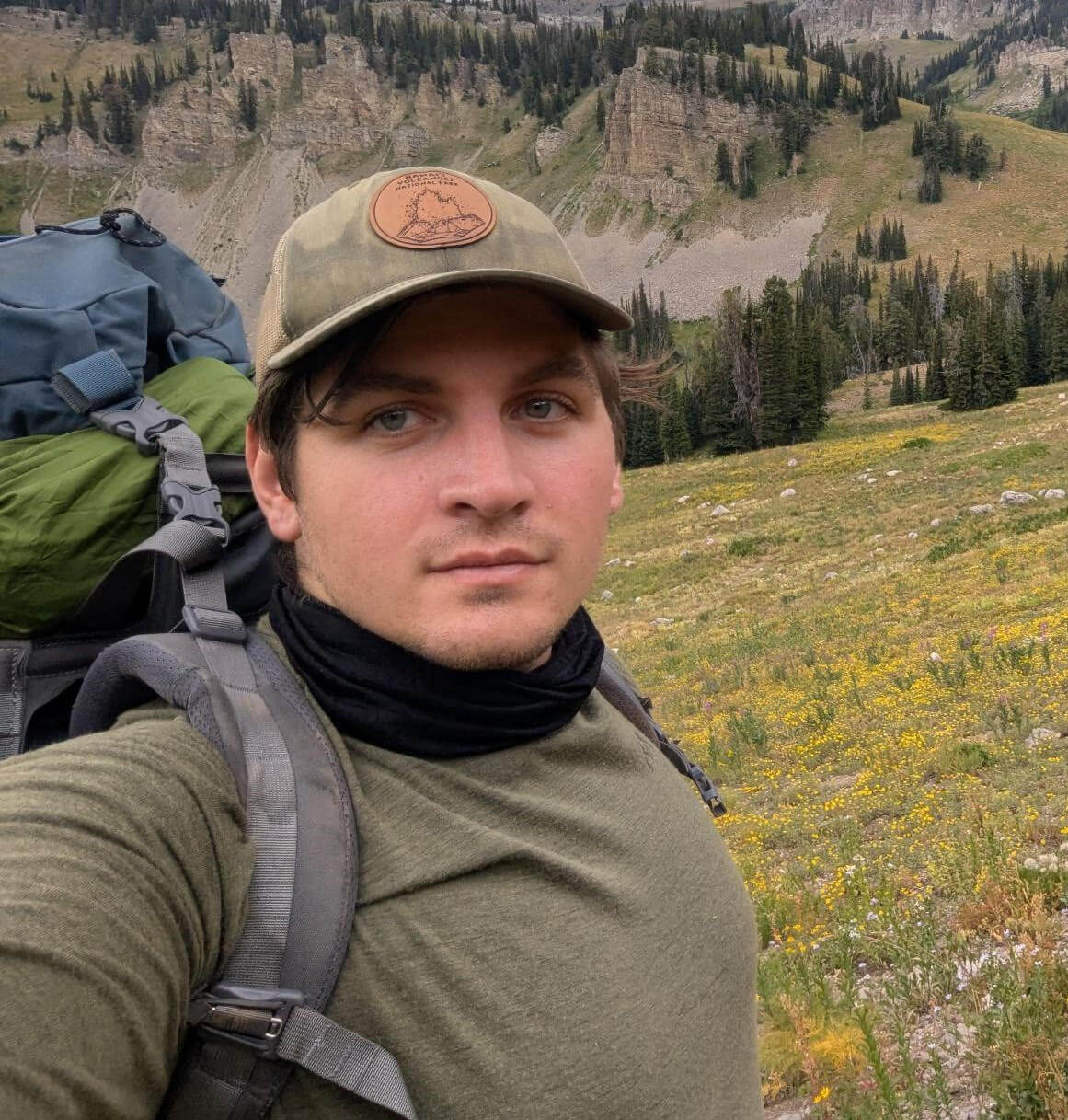
Zayne is a lifetime hunter, fisherman, and hiker from whitetail country in Allegheny County, Pennsylvania.
He spent six years in the U.S. Army, most of which was with Joint Special Operations Command, and is an expert in small arms fires.
As Lead Editor, Zayne oversees editorial strategy, testing coordination, and quality control to ensure every Marine Approved guide meets the highest veteran-backed standards. He currently leads the Marine Approved editorial team and continues to field-test new gear across the U.S. and abroad.