
Camping isn’t about escaping comfort—it’s about trading the predictable for something honest. Whether you’re setting up a tent beside a river, parking next to a trailhead for a weekend, or stringing a tarp deep in the woods, the gear you bring decides whether your trip feels like an adventure or a slow test of patience.
Why You Should Trust Me
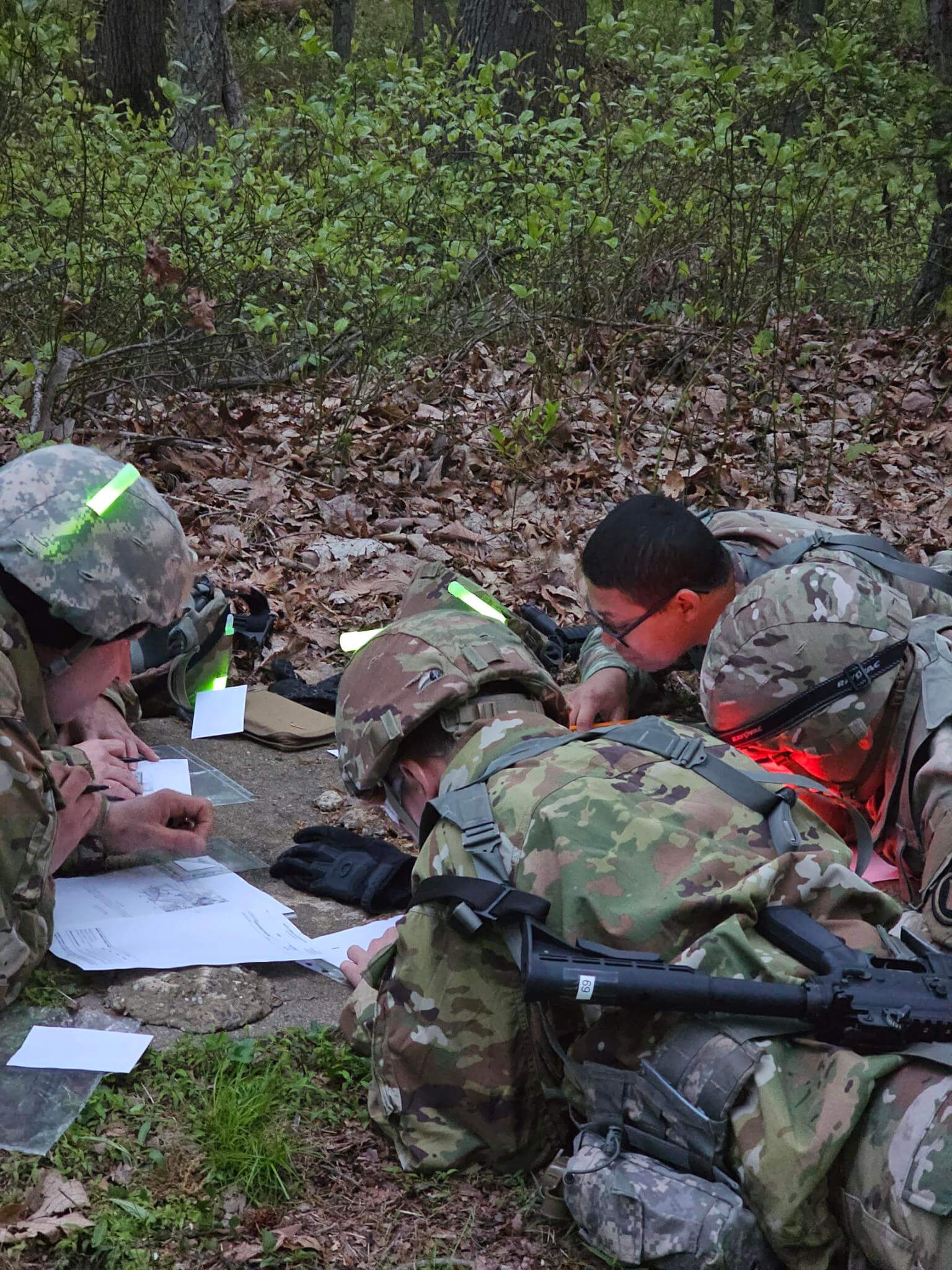
Outside of the Army, I’ve driven across the entire United States and camped at more than 30 national parks and hundreds of campgrounds—everything from KOAs in the Monterey Bay of California to dispersed camping sites in the White Mountains of New Hampshire. I’ve spent nights in the Tetons at wilderness campsites you reach only by trail, had my tent nearly ripped off a mountain in the Badlands after failing to stake it down properly in a windstorm, woke up half-submerged after my tent flooded along the Severn River in Annapolis, and dealt with unexpected freezing temperatures at Bay Bridge Campground in Yellowstone. After serving in the Army under Joint Special Operations Command, I thought I knew what “field conditions” meant—but there’s no training quite like learning from your own mistakes outdoors.
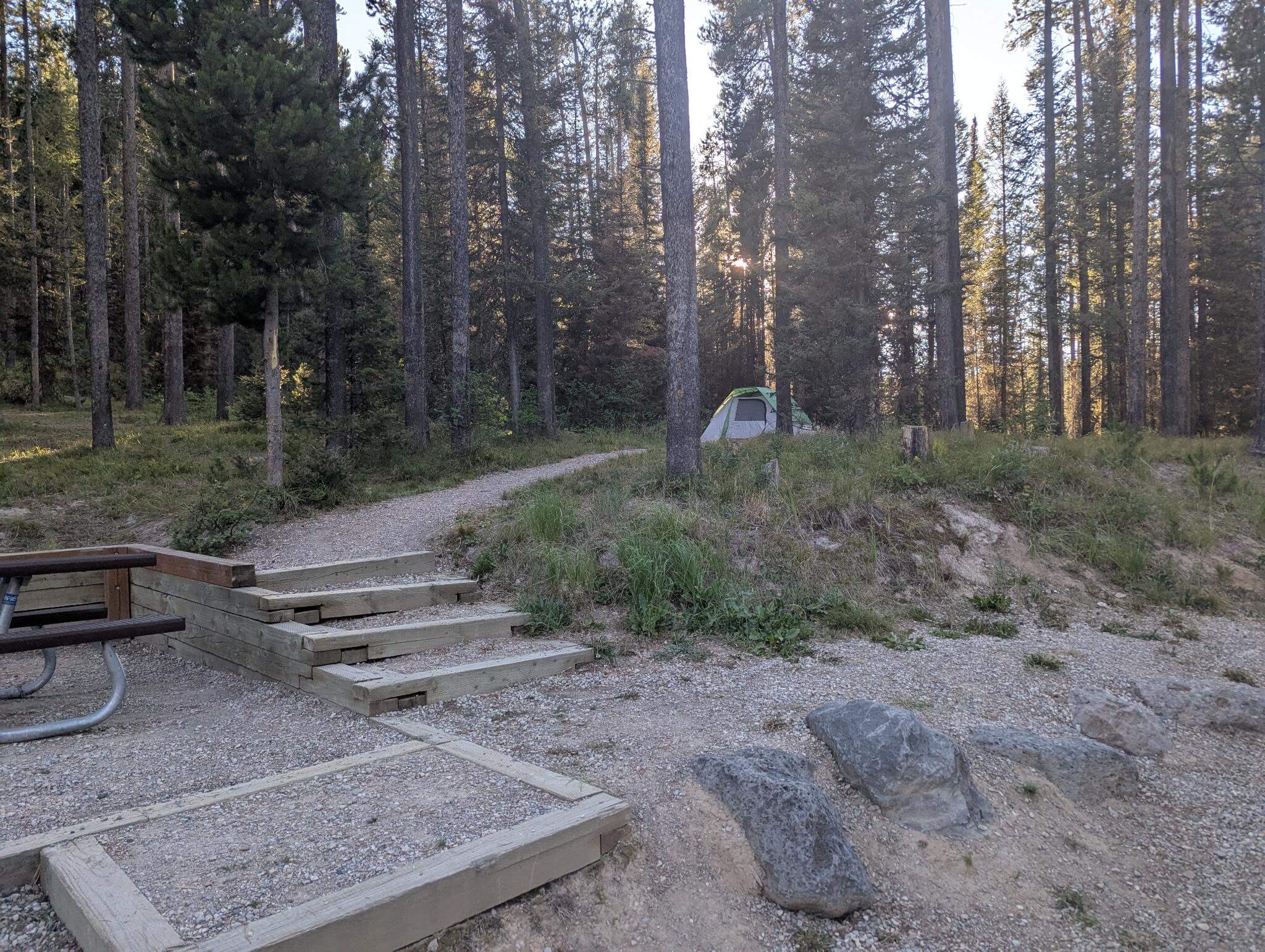
Those miles on the road and nights under canvas taught me a lot about what makes good gear worth it—and what’s just clever marketing. Whether you’re new to camping or looking to rebuild your kit the right way, this guide will help you understand what to look for, how to prepare for different types of trips, and how to buy gear that won’t let you down when weather or luck turn against you.
What Is Camping?
Camping is one of the oldest and simplest ways to reconnect with nature. It’s the act of carrying what you need, finding a patch of ground that feels right, and building temporary shelter from the elements. For some, it’s about slowing down—cooking breakfast over a quiet fire, listening to a river move through the dark. For others, it’s about pushing distance, testing endurance, and finding solitude.
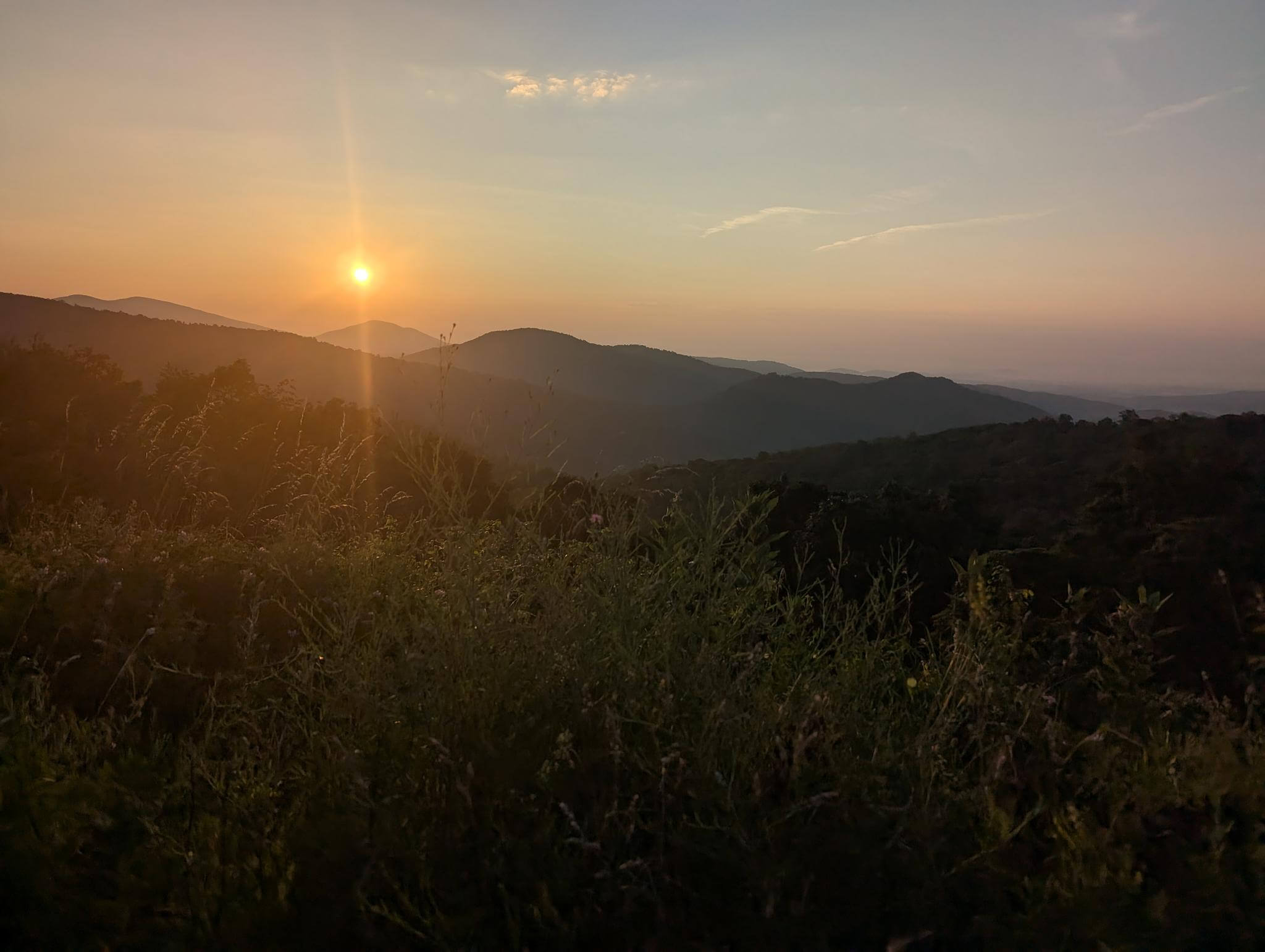
Camping sits on a spectrum. On one end, you have car camping—comfortable setups close to a vehicle or established campground. On the other, backpacking and wilderness camping—where everything you need is on your back, and mistakes can carry real consequences. Knowing which end of that spectrum your trip falls on helps you choose the right gear. A family weekend in Shenandoah requires different priorities than a solo trek across the Wind River Range.
The History of Camping in America
Camping in America has always been more than a pastime—it’s a cultural inheritance. In the early 1900s, camping became a way for urban families to escape industrial life and reconnect with the land. The Boy Scouts and National Park Service helped shape the outdoor ethic we know today. After World War II, veterans—many of whom had lived and worked outdoors during service—fueled a postwar boom in recreational camping. Companies like Coleman, REI, and Eureka began mass-producing gear that made it easier for anyone to spend a weekend outside.
By the 1980s, camping had evolved into multiple branches: RV travelers chasing comfort, ultralight backpackers chasing distance, and survivalists chasing self-reliance. Today, those lines blur. You might find a solar generator sitting next to a campfire built with flint. That balance—comfort without dependence, challenge without misery—is what makes modern camping so appealing.
Types of Camping
Before you buy any gear, it’s worth identifying what kind of camping you’ll actually do. The equipment, clothing, and setup all change depending on how far you plan to go and how long you’ll stay.
| Type | Description | Typical Gear |
|---|---|---|
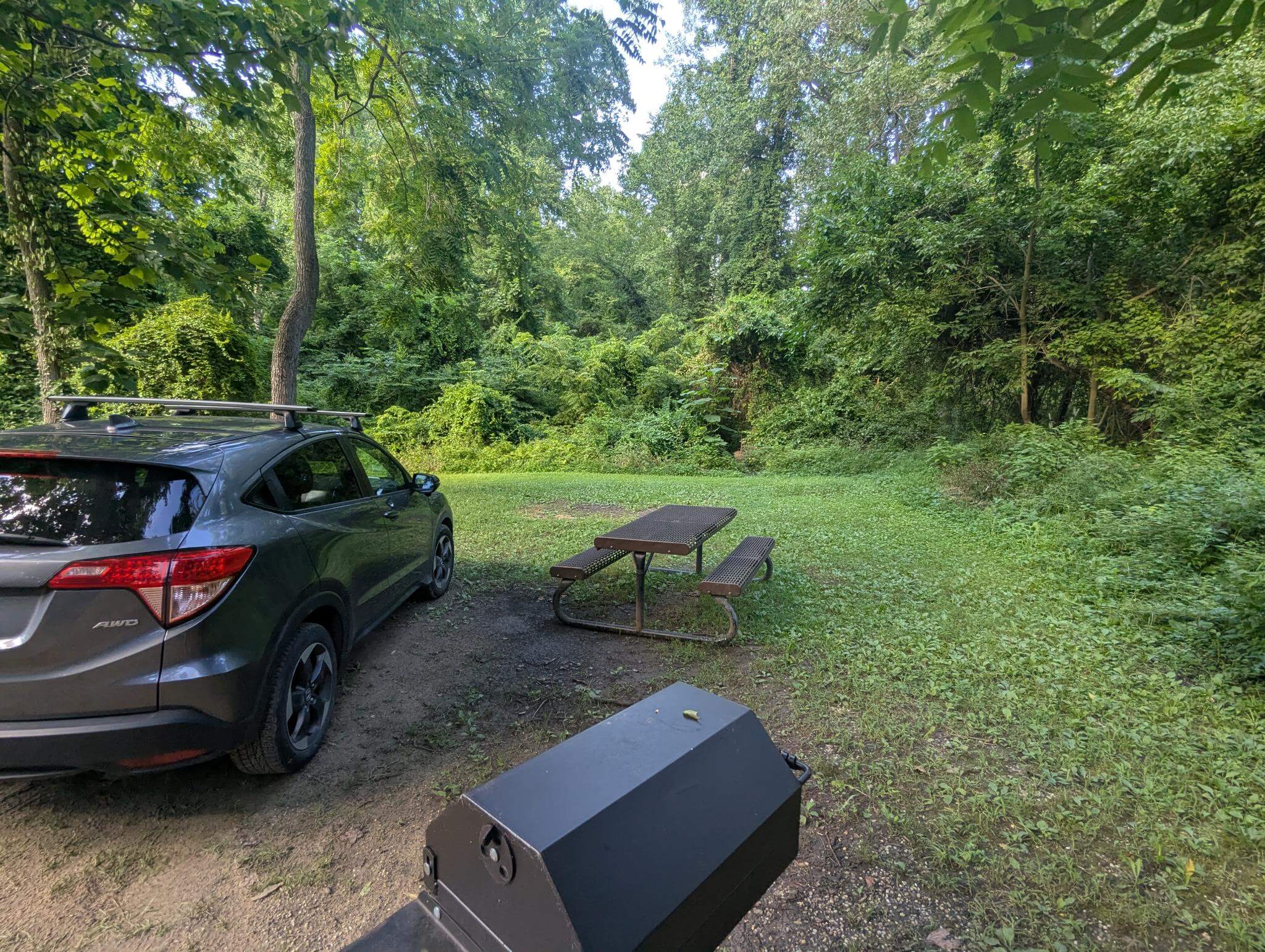
| Car Camping | Drive-up campsites where comfort matters more than weight. Perfect for families and beginners. | Large tents, coolers, camp stoves, lighting, chairs, storage bins. |
| Basecamp / Overlanding | Vehicle-supported trips where you stay in one spot for multiple days and explore nearby trails. | Heavy-duty stoves, generators, power banks, folding tables, awnings. |
| Backpacking | Self-supported travel on foot. Lightweight gear, limited luxuries, and constant movement. | Ultralight tent, small stove, compact sleeping pad, water filter, trekking poles. |
| RV & Glamping | Comfort-oriented setups that bring the conveniences of home outdoors. | Electrical gear, bedding, portable heaters, cookware, décor. |
| Primitive / Survival Camping | Minimalist trips focused on bushcraft, off-grid skills, and raw self-reliance. | Tarp shelters, knives, rope, fire starters, purification tablets. |
Most campers fall somewhere between car camping and lightweight backpacking. Understanding that helps you build a kit that fits how you actually spend your time outdoors—without overbuying or underpreparing.
How to Choose the Right Camping Gear
Good gear isn’t about price or brand—it’s about reliability when it counts. A $50 tent that leaks is a poor investment. A $200 sleeping bag that keeps you dry at 2 a.m. in Yellowstone is worth every cent. The goal of this guide isn’t to sell you equipment, but to help you understand what’s essential, what’s nice to have, and what you can leave behind. We’ll break down each category—shelter, lighting, cooking, and safety—with the kind of lessons you only learn after a few hundred nights outside.
Essential Camping Gear Categories
Most people approach camping gear like they’re shopping for comfort, but you’re really buying reliability. The goal is to stay warm, dry, fed, and safe with the fewest moving parts possible. Once you have those bases covered, everything else is just comfort layering.
Shelter and Sleep Systems
Your shelter setup is the foundation of a good trip. If it fails, the rest doesn’t matter. Start with a tent rated for the conditions you’ll actually face, not the ones you hope for. A summer tent with too much mesh can feel like a wind tunnel in the high plains, while a four-season mountaineering tent might roast you in the Smokies.
For car camping, comfort and space usually win out — you can afford a heavier, taller tent and an air mattress that doesn’t fold into a backpack. For backpacking, think in ounces and durability. I’ve learned the hard way that saving 10 ounces isn’t worth it if your tent poles snap in a crosswind or the zipper fails after a week in dust and grit.
Sleeping bags should be chosen for temperature rating, not marketing warmth. “Comfort” and “limit” ratings mean different things — and those few degrees can be the difference between sleeping and shivering. I carry a 20°F down bag on most trips and layer it with a liner in colder climates. Pair it with an insulated sleeping pad; ground cold is a silent thief of energy and morale.
Lighting and Power
When I first started camping, I thought one flashlight was enough. Then I found myself cooking dinner with my phone light propped in a coffee mug. These days, I always pack at least three light sources — a headlamp for hands-free use, a lantern for camp, and a small backup torch.
Battery life matters more than brightness. Headlamps that use standard AA or AAA batteries are easier to manage than proprietary rechargeable ones, especially if you’re off-grid for days. Solar lanterns are great for car camping, but I’ve found they often fail in cloudy or cold conditions — always have a backup plan for power.
Cooking and Food Prep
Camp cooking doesn’t have to be gourmet, but it does need to be safe and efficient. For car camping, a two-burner propane stove is a luxury that’s worth it. For backpacking, I’ve used everything from ultralight titanium stoves to alcohol burners — they all work, but some are far more stable in wind or cold weather than others.
The real key is fuel. I once ran out of propane halfway through a cold night in Wyoming, and melting snow over a half-lit flame was a lesson I’ll never repeat. Always bring a second canister or alternate cooking method. A cutting board, long-handled spoon, and a small dish pan for cleanup go a long way in keeping camp organized and morale high.
Clothing and Layering
The best camping clothing does three things: it wicks moisture, insulates when wet, and protects against sun and bugs. Skip cotton—it holds sweat and dries slow. Synthetic or merino wool base layers are worth every dollar. I carry the same layering system whether I’m in the desert or the mountains: a base layer, mid-layer fleece or puffy, and a waterproof shell.
If you’re car camping, bring extras. If you’re backpacking, every item should earn its weight. A lightweight pair of camp shoes can feel like heaven after a day of hiking, and a wool beanie can add five degrees of warmth to your sleep system with almost no weight penalty.
Even on simple weekend trips, a basic first-aid kit, whistle, and map are non-negotiable. Phones die, GPS fails, and small injuries turn big fast when you’re miles from help. I’ve stitched up blisters in the rain and patched tent fabric with duct tape mid-storm—neither are fun, but both are manageable if you plan ahead.
For car camping, your vehicle doubles as safety gear — extra warmth, shelter, and transport if things go wrong. For backcountry trips, redundancy saves lives: extra fire starter, an emergency blanket, and a secondary water treatment method. You’ll never regret packing them, but you might regret skipping them.
Weatherproofing and Storage
No matter where you camp, water will find a way. A tarp under your tent keeps ground moisture out; one above your kitchen area keeps spirits up. Dry bags and heavy-duty totes keep gear organized and protected in rain or dust. If you’ve ever woken up in a flooded tent, you’ll never underestimate the value of a $10 groundsheet again.
For extended trips, I pack by category: shelter gear in one tote, kitchen in another, clothing in a third. It saves time, especially when you’re tearing down in bad weather or setting up after dark.
Packing Lists by Trip Type
There’s no universal camping checklist — the right gear depends on where you’re going, who you’re with, and how much you want to carry. Still, every trip falls into one of a few broad patterns. Use these as starting points, not rules.
Weekend Car Camping
Prioritize comfort and convenience. Bring extra food, a large cooler, camp chairs, a lantern, and a reliable tent. Keep gear simple and avoid overpacking—set up, relax, and enjoy the fire.
Family Camping
Organization is everything. Color-coded bins for each person’s clothing, meal kits prepped at home, and a few games or hammocks go a long way toward keeping everyone happy. Bring redundancy for lighting and first aid; kids will find a way to test both.
Cold-Weather Camping
Focus on insulation, weatherproofing, and calories. Double up sleeping pads, keep fuel warm overnight, and use a hot water bottle inside your sleeping bag. Don’t underestimate condensation—vent your tent even in freezing weather.
Dispersed or Primitive Camping
Plan for zero amenities. Bring your own water, waste plan, and navigation tools. Expect to leave no trace—pack out everything, including greywater and TP. It’s raw and often uncomfortable, but it’s the kind of solitude that stays with you.
Tips for Beginner Campers
Everyone starts somewhere, and the first few trips usually teach you more than any guide ever will. The goal isn’t to have a perfect setup — it’s to learn what actually matters for you. Here are a few lessons I wish someone had spelled out before my first cross-country camping run.
1. Keep It Simple
The more gear you bring, the more you have to set up, manage, and pack out. Start small — one tent, one stove, and a few meals you actually know how to cook. A simple, functional setup will teach you faster than a truckload of gadgets you never touch.
2. Test Everything Before You Leave
I’ve seen people roll into camp with unopened tents, dead batteries, and stoves still in the box. Don’t do that to yourself. Set up your gear once at home — pitch the tent, fire the stove, inflate the sleeping pad — and make sure everything works the way you expect. Field conditions have no patience for first-time assembly.
3. Prepare for Weather You Don’t Expect
It doesn’t matter if the forecast says clear skies. Always pack for cold, wind, and rain. I’ve had nights where a mild breeze in the afternoon turned into gusts strong enough to flatten tents. In Yellowstone, temperatures dropped below freezing in mid-June. Redundancy in weather protection isn’t overkill — it’s insurance for your comfort and safety.
4. Respect the Environment
Whether you’re in a national park or a patch of public land, leave no trace. Pack out everything — including food scraps and used toilet paper — and stay on established sites when possible. I’ve camped in some beautiful places that have since been closed due to misuse and overvisitation. Good habits keep those places open for the next generation.
5. Don’t Chase Perfection
There’s a lot of pressure online to have the perfect gear list or the most photogenic setup. Real camping rarely looks like that. You’ll make mistakes — forget matches, rip a tarp, spill your coffee in the tent — but those are the stories you’ll remember. What matters is that you get outside and keep improving each time you go.
6. Always Have a Backup Plan
Whether it’s a second route to your site, extra food, or an alternate way to start a fire, backups turn potential failures into minor inconveniences. I learned this lesson in the Army, where redundancy wasn’t just a recommendation — it was survival. Out here, it’s the same principle: two is one, one is none.
Our Testing Methodology
There are a lot of “experts” in the outdoor gear space, but real testing doesn’t happen in a studio — it happens in the field. Every recommendation on Marine Approved comes from gear that’s been used, abused, and sometimes outright broken in real conditions. Here’s how we evaluate equipment before it earns a mention in our guides.
1. Real-World Use, Not Unboxing
Every tent, stove, or sleeping pad gets tested in the kind of conditions you’ll actually face — wind, cold, rain, dust, and uneven terrain. I’ve spent nights in everything from crowded state park loops to alpine meadows where storms roll in without warning. If gear can’t survive that, it doesn’t make the cut.
2. Durability Over Time
Good gear should last for years, not weekends. We don’t just look at how something performs out of the box — we look at how it holds up after months of use, packing, and transport. Zippers, seams, coatings, and poles tell the truth over time. If something fails early, it gets noted honestly.
3. Ease of Setup and Maintenance
Complicated gear might look clever in a catalog, but it’s useless if it takes 30 minutes to set up or clean. We evaluate how intuitive the setup is, how long it takes to break down, and how easy it is to maintain. If you can’t pitch it in fading light or clean it in cold water, it’s not practical.
4. Field Efficiency
Weight, size, and packability all matter — especially for those moving between camping and backpacking. We measure how gear performs relative to its bulk and weight. A heavier tent might still win if it offers unmatched stability in wind, while a tiny stove might fail if it struggles at altitude. Context always matters.
5. Safety and Reliability
Some failures are just inconvenient — others can end a trip. We test all essential items with redundancy in mind: multiple ignition methods, backup power options, and consistent waterproofing. If a product claims “weatherproof,” it gets rained on. If it says “durable,” it gets dropped, dragged, or frozen. The point isn’t to destroy gear — it’s to trust it when you can’t afford not to.
6. Real Feedback, Not Sponsored Opinions
We don’t take free products or payments in exchange for reviews. Every piece of gear we feature is chosen because it proved itself useful in real situations. Some of the best tools in my kit aren’t expensive or flashy — they’re just reliable. That’s the kind of gear we highlight here.
At the end of the day, our testing philosophy is simple: if it works in the field, it’s worth your trust. If it doesn’t, no amount of branding or influencer hype will make up for it when the weather turns bad or the night gets long.
Explore More Field Gear
If you found this guide helpful, check out our other field-tested resources:
Each guide builds on real miles, hard lessons, and a commitment to helping more people experience the outdoors with confidence and respect.
Final Thoughts
Camping doesn’t get easier — you just get better at it. Every trip adds another skill, another scar, another story. The gear helps, but the real lesson is in learning how to adapt when things don’t go as planned. That’s where confidence is built — in the middle of nowhere, under a sky full of stars, figuring it out one decision at a time.
If this guide helped you gear up smarter, explore our other field guides, share it with a friend who’s planning their first trip, or drop a comment with your own hard-earned lesson from the road. Every new camper makes the community stronger — and the outdoors a little better cared for.
See you out there.
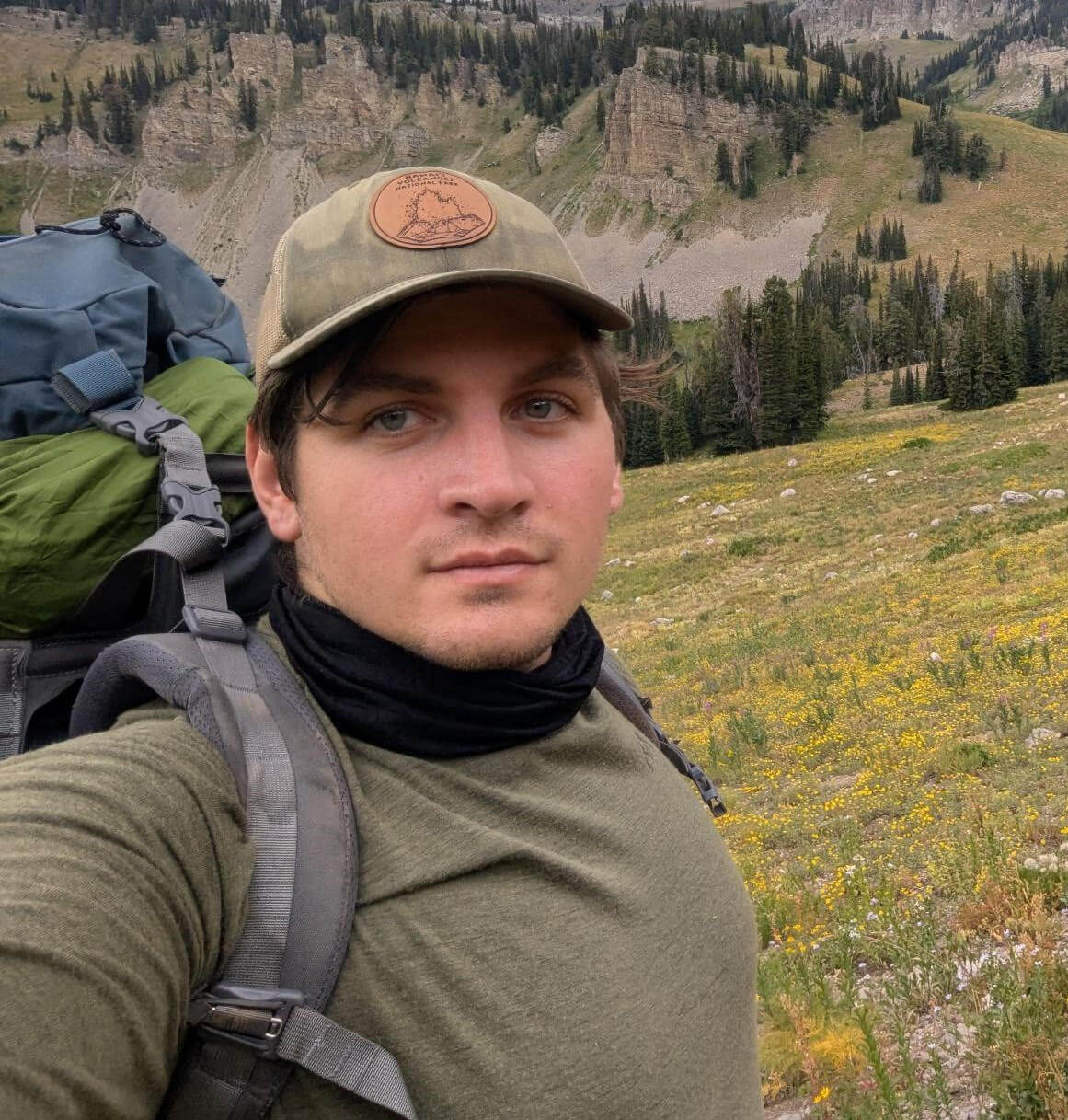
Zayne is a lifetime hunter, fisherman, and hiker from whitetail country in Allegheny County, Pennsylvania.
He spent six years in the U.S. Army, most of which was with Joint Special Operations Command, and is an expert in small arms fires.
As Lead Editor, Zayne oversees editorial strategy, testing coordination, and quality control to ensure every Marine Approved guide meets the highest veteran-backed standards. He currently leads the Marine Approved editorial team and continues to field-test new gear across the U.S. and abroad.